
Ramadan & Qurbani
Seasonal ration packs, daily iftar, and Qurbani meat distributed fresh to families who rarely eat it.
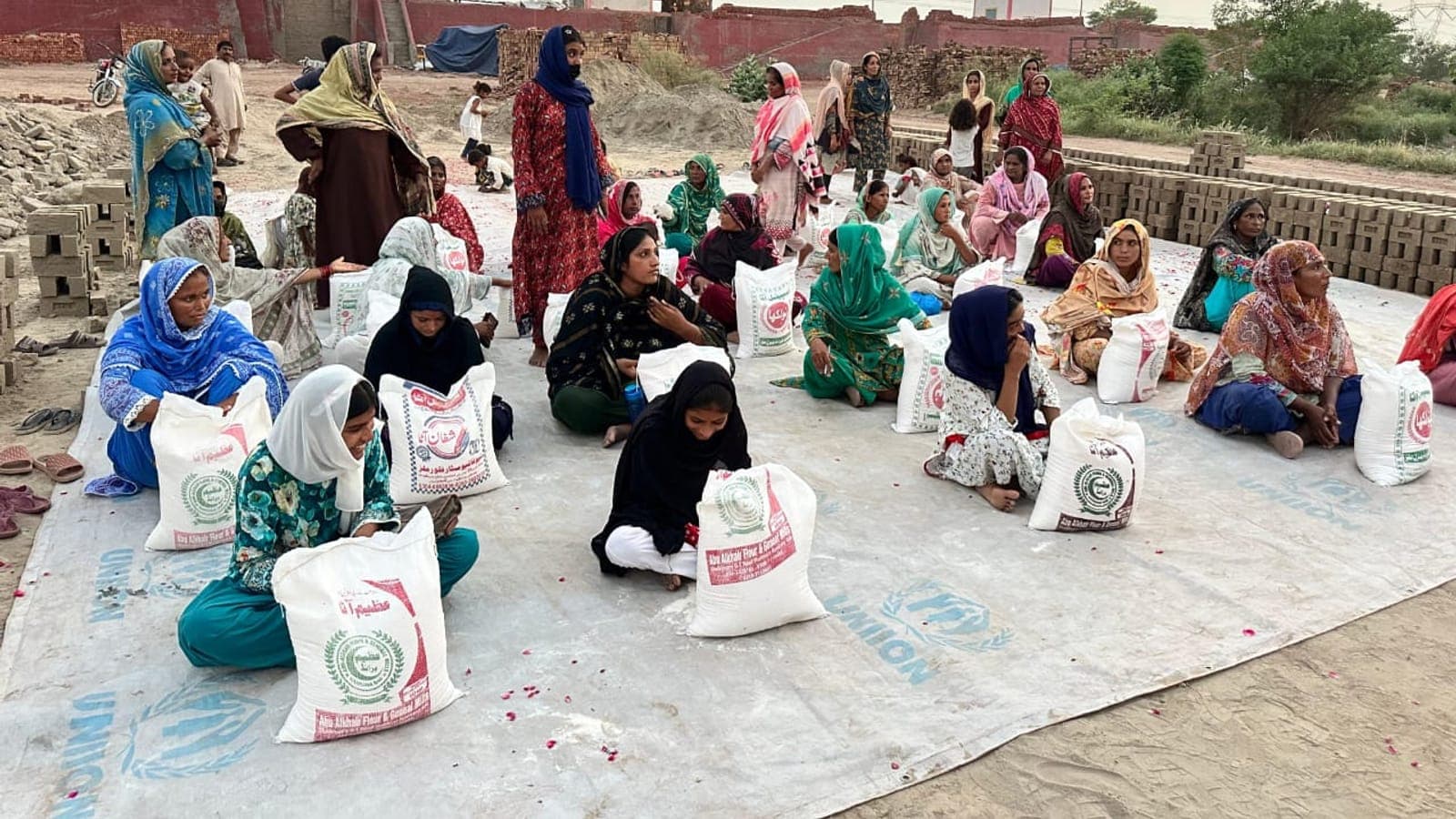
How it works
Ramadan and Eid al-Adha are when household costs rise and charitable giving peaks. Both facts matter, and both are easy to handle badly — with rushed distributions, inflated supplier prices, and meat that arrives spoiled.
**Ramadan.** We deliver an enlarged ration pack before the month begins, sized to cover suhoor and iftar for a household of six for the full thirty days. Delivering it beforehand matters: a pack that arrives in the second week has already been a hard fortnight. We also run daily iftar at fixed points for labourers and travellers who cannot get home to eat.
**Qurbani.** We purchase animals locally, have them slaughtered according to the requirements of the sacrifice, and distribute the meat fresh on the same day to households that eat meat rarely. Donors receive confirmation of the sacrifice and the district in which the meat was distributed.
We publish our seasonal supplier costs. Prices rise sharply in both seasons and donors are entitled to see what we actually paid.
What that means
- Ramadan packs delivered before the month starts, not during it
- Daily iftar at fixed points for labourers and travellers
- Qurbani animals purchased locally, meat distributed fresh the same day
- Confirmation of the sacrifice and the distribution district sent to each donor
Costs
What your money buys
Enlarged pack covering suhoor and iftar for a household of six, all thirty days
Daily iftar at a fixed distribution point
Purchased locally, distributed fresh the same day
One animal, meat distributed to households that rarely eat it
Prices reviewed against supplier costs each quarter
Fund ramadan & qurbani
Choose an amount, tell us which programme it is for, and we will send you a reference number to quote on the transfer.